Where the market sits
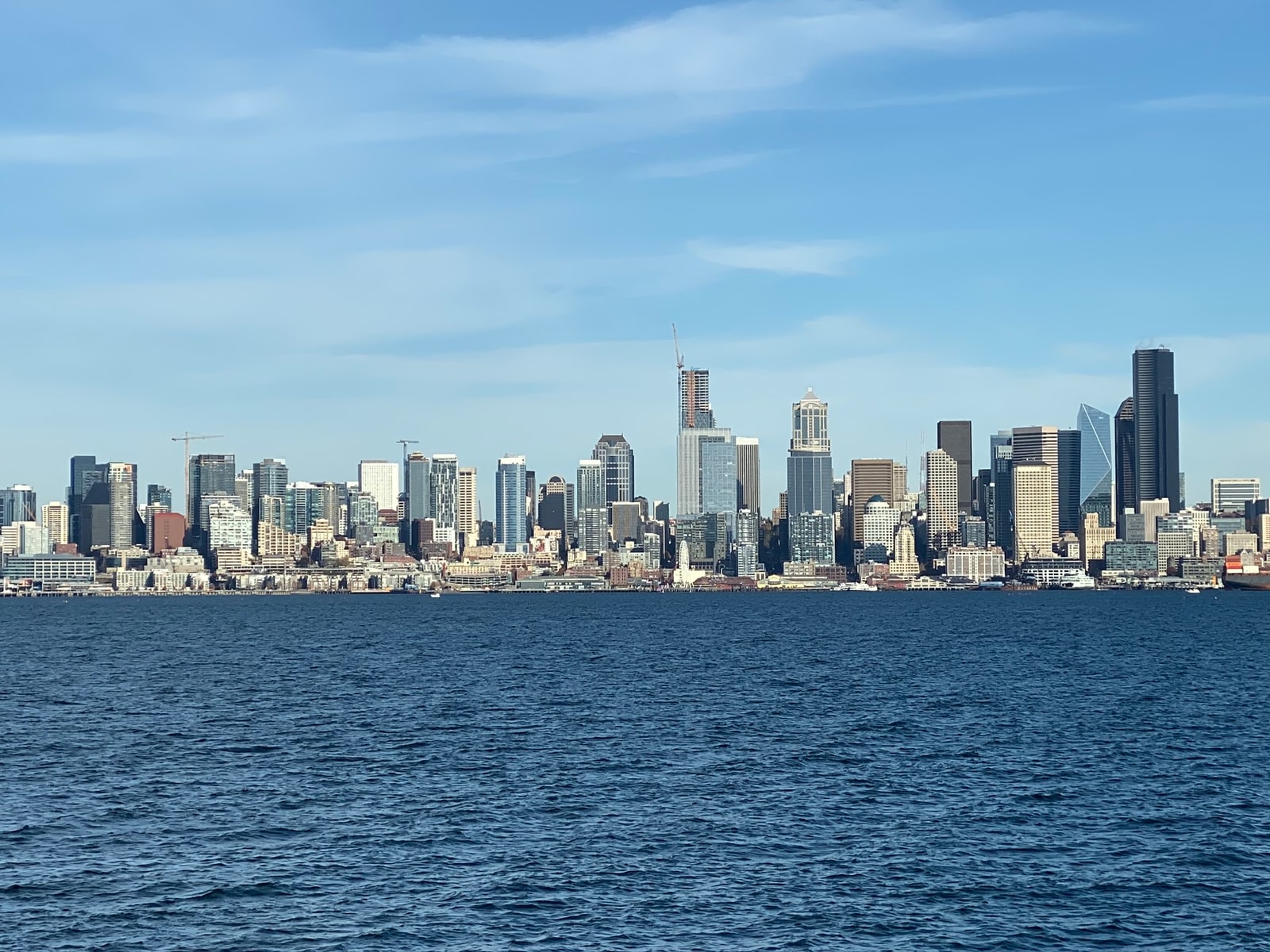
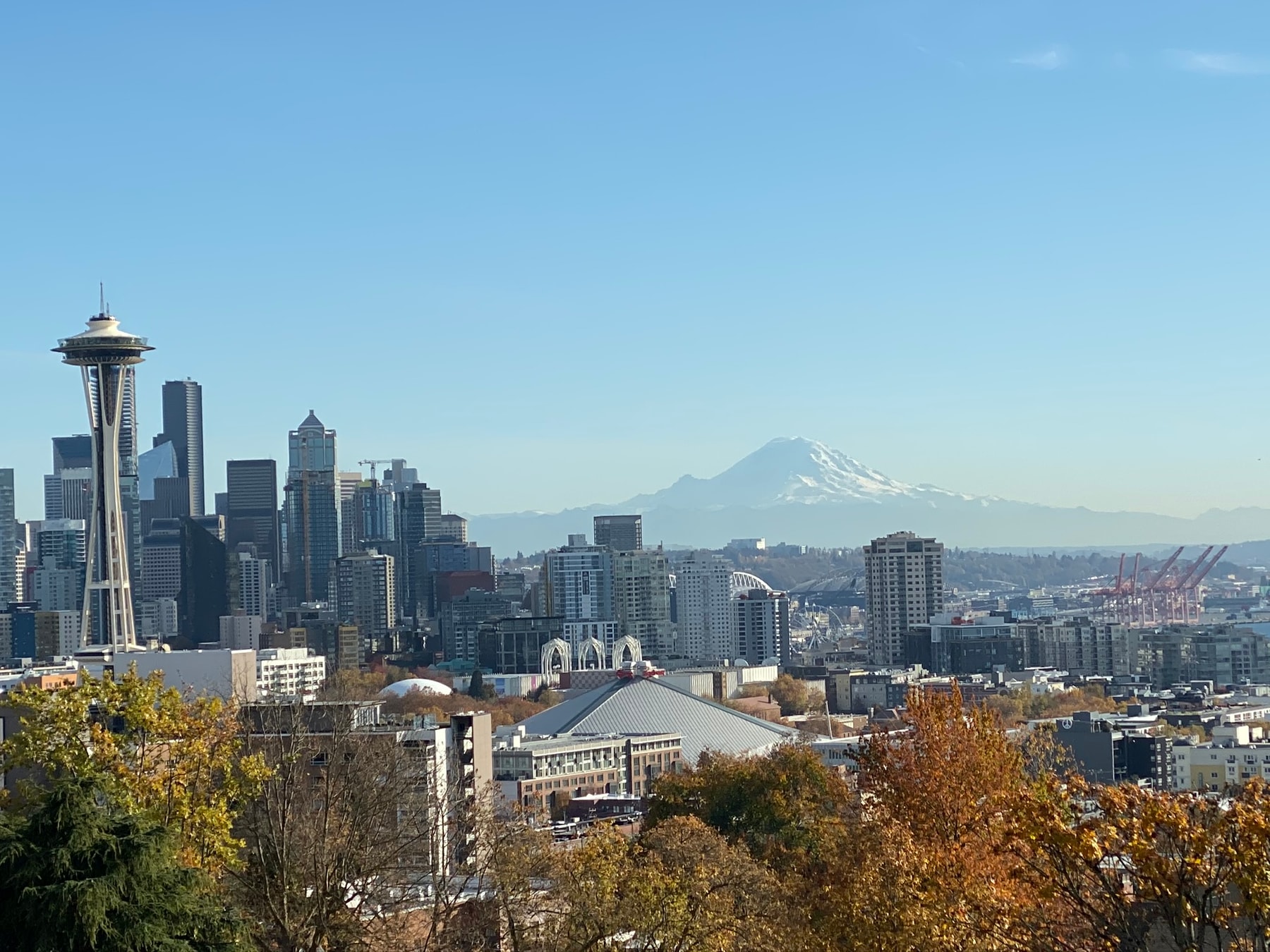
Seattle's hotel market stopped sliding in 2026. Our composite read of trailing twelve-month performance through July puts metro occupancy in the 68-69% range, down about 2% year over year, with average daily rate in the low-to-mid $180s, up about 1%, and RevPAR in the mid-$120s, roughly flat. First-half RevPAR ran modestly ahead of 2025, so the trend is turning even if the twelve-month figure is still slightly negative. Downtown hotel room nights sold in June ran about 9% above June 2019, which tells the same story from the demand side. The weak spots are Canadian drive-to visitation, which fell sharply in 2025 and has not recovered, and midweek corporate travel after hiring pauses at large local employers.
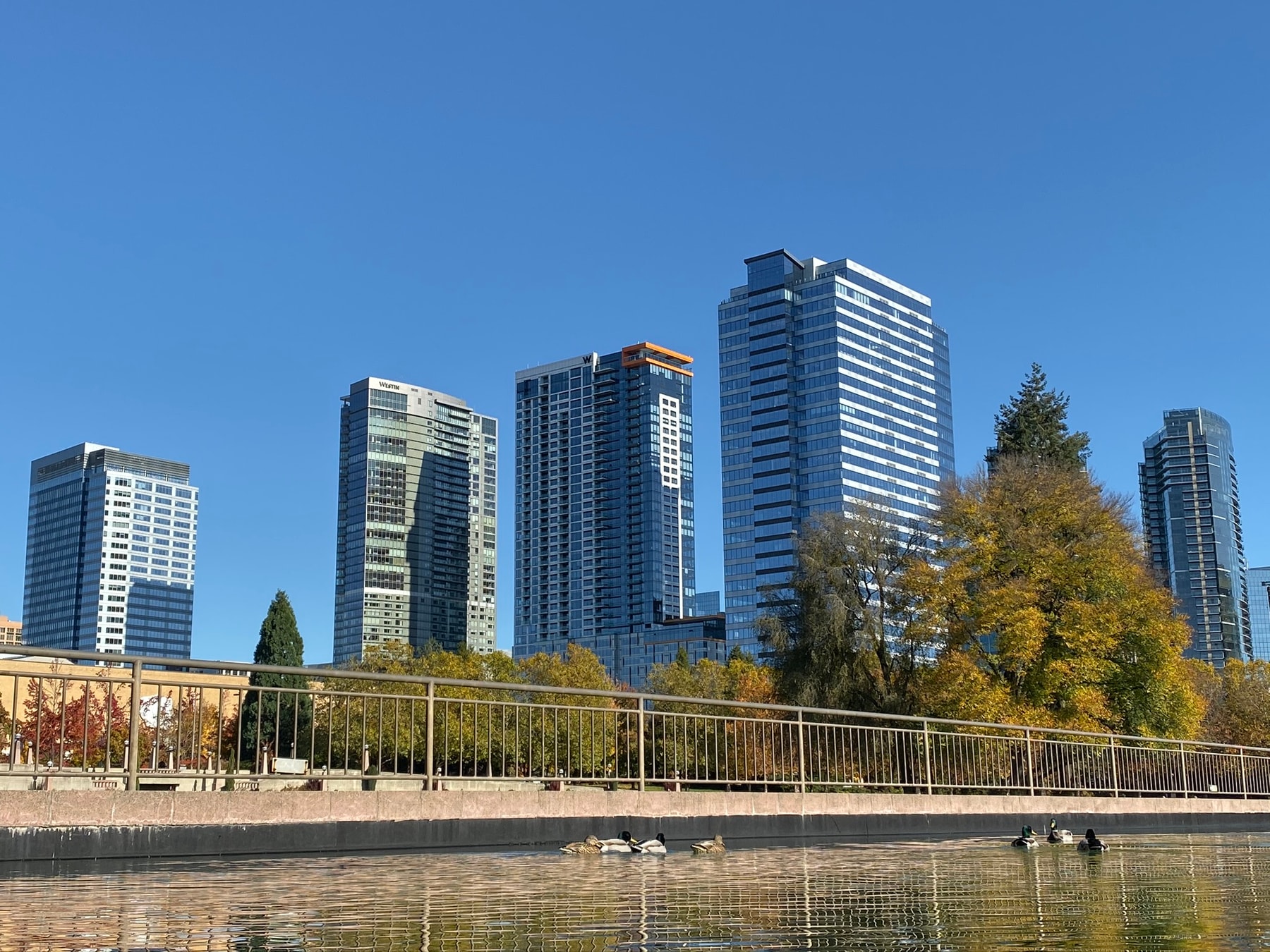
The two submarkets that matter most to Eastside families behave differently. Seattle CBD carries the region's highest rate, with ADR near $230 and RevPAR in the low-to-mid $160s, but occupancy around 70% is down 2-3% as convention and international demand wobble. Bellevue and the Eastside run on weekday tech and professional services travel, with occupancy in the mid-60s, ADR a little above $200 and RevPAR in the mid-$130s, and they posted the better recent momentum, with RevPAR up about 5% in the latest month.
Demand drivers
The FIFA World Cup matches in June and early July 2026 produced a rate event, not an occupancy event. Seattle ADR during the peak match week ran roughly 30% above the prior year, and citywide June ADR finished about 10% higher, but occupancy during match weeks ran several points below baseline as aggressive pricing displaced ordinary demand. Net RevPAR gain was modest.
Cruise is the steadier story. The Port of Seattle projected a record season of about 2.1 million passengers and 330 vessel calls for 2026, with 16 homeport ships and roughly two-thirds of passengers staying in a local hotel. Convention activity at the expanded Seattle Convention Center is normalizing after a soft 2025, though the Center itself has described its finances as fragile and tied to hotel-tax swings.
Supply, pricing and capital
New supply has nearly stopped. Only about 100-150 rooms are under construction metro-wide, well under 1% of inventory, and none on the Eastside, where a few hundred rooms opened in the past year. Sales remain selective. Trailing twelve-month hotel volume is in the $250-350 million range depending on what is counted, below the three-year average of roughly $425 million. Cap rates on stabilized assets sit in the 8.5-9% range. Pricing is bifurcated: a waterfront full-service hotel traded in 2025 near $400,000 per key while an airport full-service asset traded in 2026 closer to $45,000 per key. New union contracts add to operating cost.
What this means for owners
Rate is doing the work and occupancy is not, which means margins depend on labor cost control more than on top-line growth. With almost no new rooms coming, an existing well-located asset gains pricing power through 2027 without a development threat. We expect buyers to keep paying for quality urban and select-service hotels and to discount older assets facing brand-mandated capital plans. For a family holding a hotel, the decision point is the renovation cycle: fund it and hold through a low-supply window, or sell before the obligation arrives. For a family considering entry, the Eastside offers steadier weekday demand at lower entry cost than the CBD, and the cruise and convention calendars give downtown a seasonal floor that Bellevue lacks.
CMRE Partners analysis of its own data and experience, publicly available market research from national and regional sources, together with public data from the Port of Seattle, the Downtown Seattle Association, and Washington State agencies. Figures are CMRE Partners' composite ranges as of August 2026. General information only. Please contact CMRE Partners to discuss a specific matter.