Where the market sits
The Puget Sound apartment market is working off a record building cycle, and the numbers now lean in owners' favor for the first time in three years. Our composite of mid-2026 surveys puts metro vacancy in the 6.5-7% range, down from about 7% a year earlier, with occupancy near 95%. Second-quarter net absorption ran around 4,000 units, roughly double the first quarter. Stabilized buildings are running a touch softer than the headline because new lease-ups are still pulling tenants from older product.
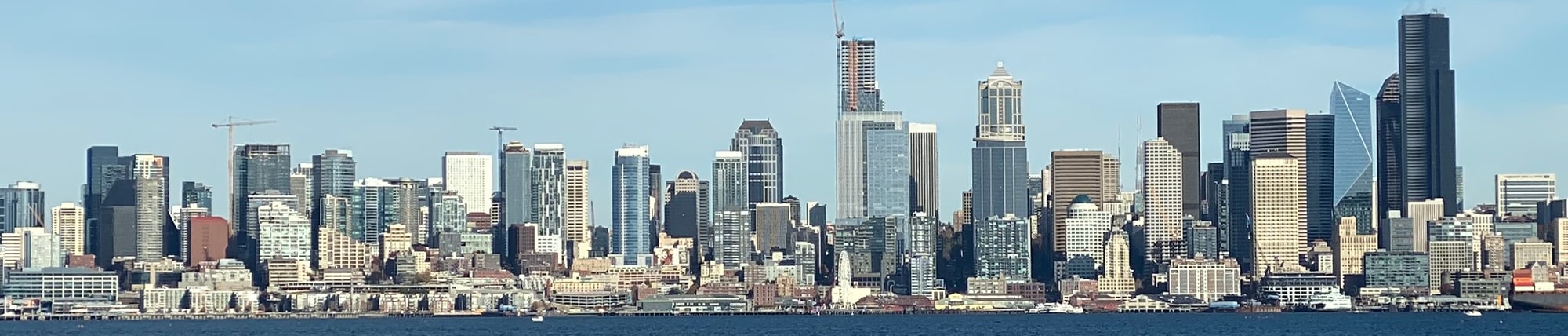
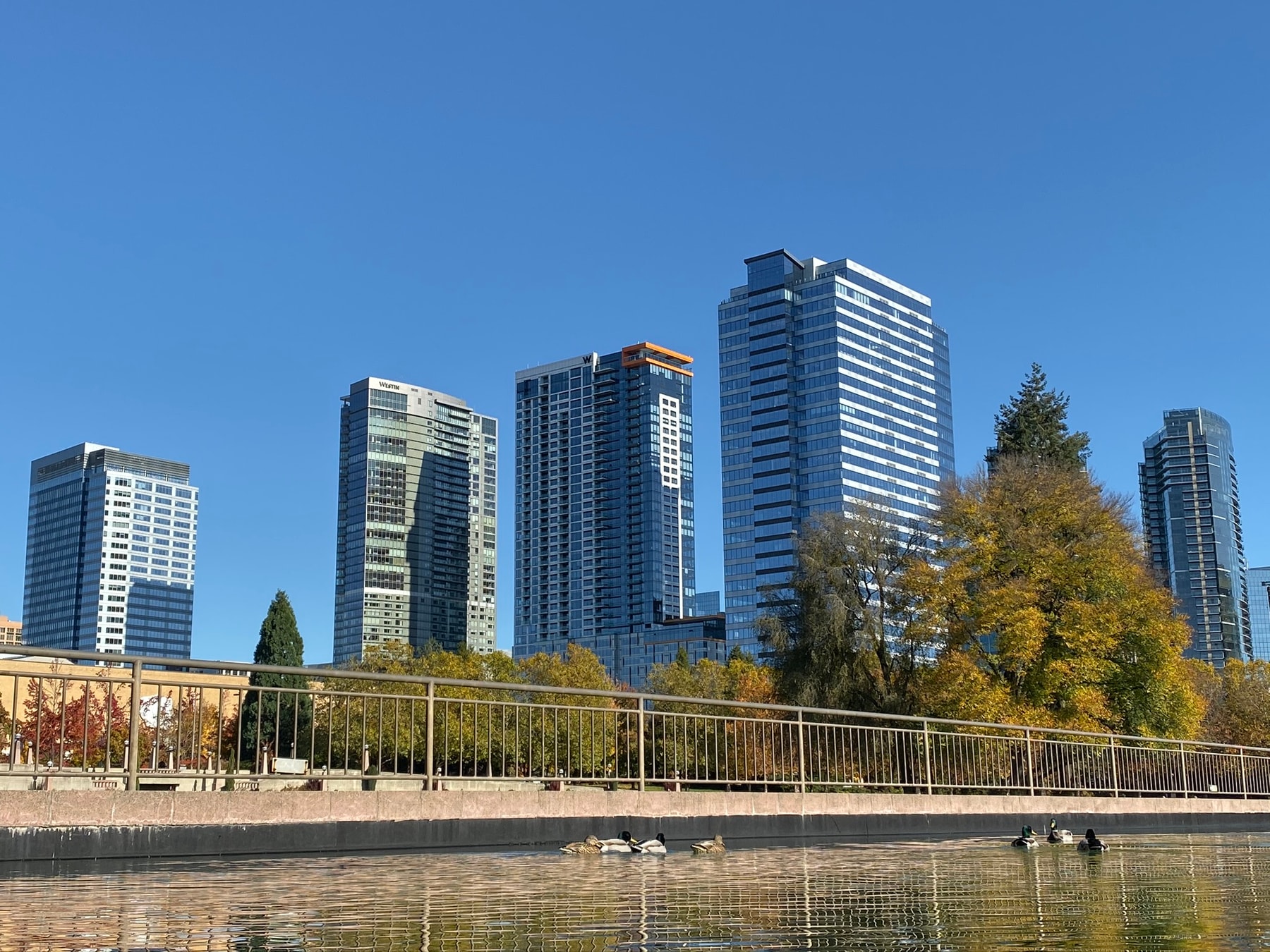
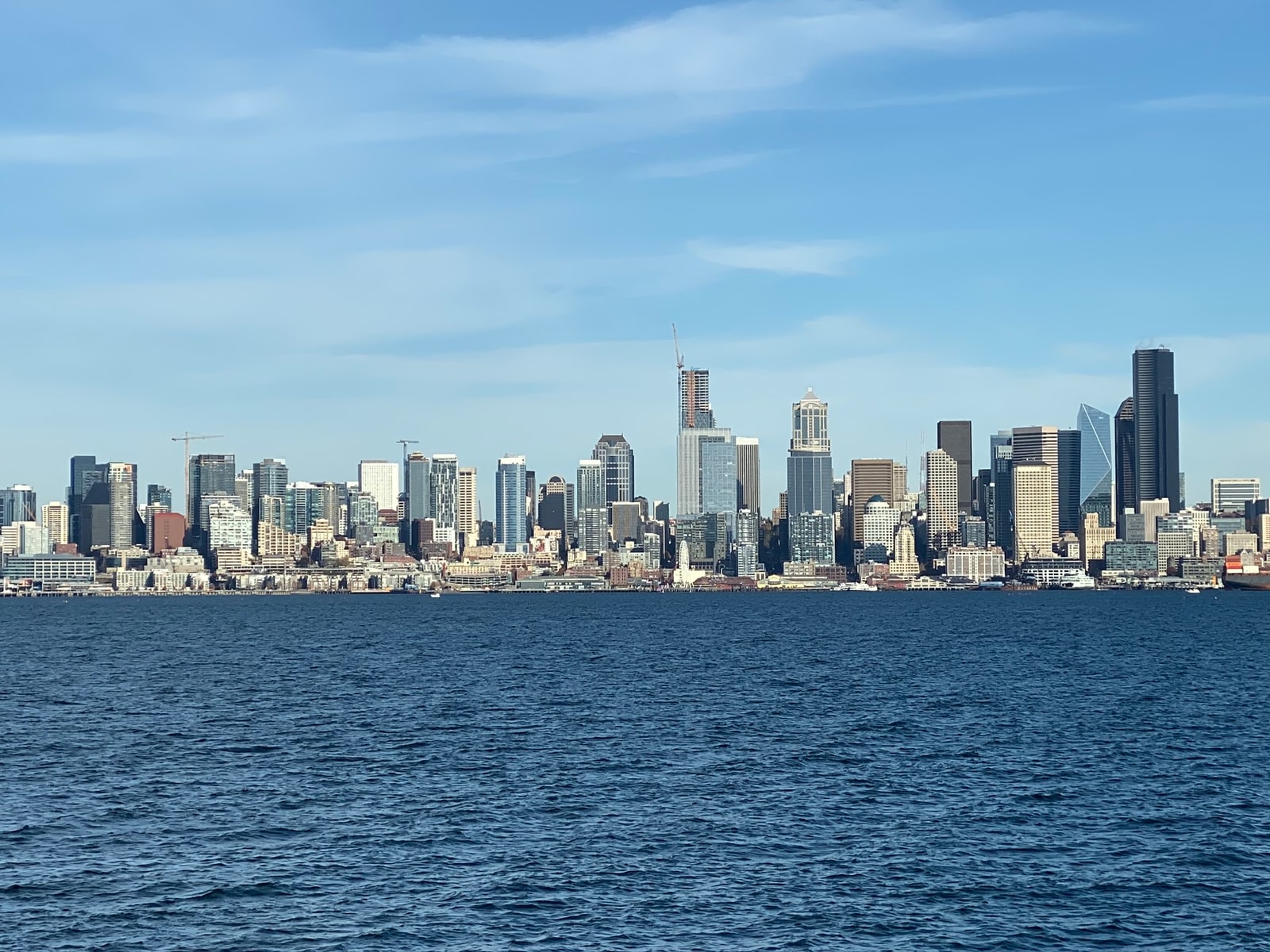
Submarkets differ. Bellevue vacancy sits in the low 6% range while Downtown Seattle is above 8%, the gap reflecting where the towers were built.
Supply and rents
Deliveries have fallen by half. Roughly 3,800 units delivered across the region in the first half of 2026 against more than 8,000 in the same period of 2025, and trailing-year deliveries are about a third of the 2024 peak. The pipeline under construction is in the 15,000-19,000 unit range depending on how the count is drawn, about half the 2023 high either way.
Rents have not responded yet. Metro average rent is in the $2,050-2,250 range per unit depending on the sample, up about 1% year over year, with concessions still common at new and older properties alike. Bellevue is the exception, the region's priciest submarket at roughly $2,800 per month and 2-3% annual growth, while Downtown Seattle rents are essentially flat.
Pricing and capital
Sales are recovering from a thin base. Trailing twelve-month metro volume is in the $5-6 billion range, roughly double the trough. Cap rates on closed transactions cluster between 5.5% and 6%, with trophy and transit-served Eastside assets trading inside that band. Private buyers dominate deal count; institutions did about a tenth of the trades but a third of the dollars. Buyers still underwrite slower rent growth than sellers want, and per-unit pricing is down modestly year over year.
Policy now sits on top of the cycle. Under EHB 1217, Washington's statewide rent-stabilization law, the maximum annual increase is set at 9.683% for 2026 and 10% for 2027, with a 12-year exemption for newer buildings.
What this means for owners
For a family holding stabilized Puget Sound apartments, the next 18 months look like an occupancy story, not a rent story. We expect vacancy to keep drifting down as the pipeline empties, while concessions limit rent gains until the current lease-ups fill. Older suburban assets face the most competition and the softest pricing; Bellevue and light-rail locations hold value best. For sellers, the bid is real but cautious, and clean operating history matters more than a growth narrative. For buyers with patient capital, the cap-rate reset and the coming supply trough are the argument. The 2027 cap of 10% is unlikely to bind in this market, but the notice and fee rules in EHB 1217 do, and every rent roll should be reviewed against them.
CMRE Partners analysis of its own data and experience, publicly available market research from national and regional sources, together with public data from the Port of Seattle, the Downtown Seattle Association, and Washington State agencies. Figures are CMRE Partners' composite ranges as of August 2026. General information only. Please contact CMRE Partners to discuss a specific matter.